Why Radon Testing York PA Homeowners Should Act Now
Radon in York County: A Real Problem
Living in York County means enjoying the Susquehanna River, rolling farmland, and a strong sense of community. But there is a hidden threat beneath many homes here that does not get talked about enough. Radon gas, a naturally occurring radioactive element, seeps up from the ground and can accumulate inside your home to dangerous levels. I have seen too many families in the area assume their basement is fine because it looks clean and smells fine. The truth is radon is invisible and odorless, and the only way to know your risk is through proper testing. That is where the conversation around radon testing york pa needs to start, not after someone gets sick, but before it becomes a problem.
What Makes Radon Dangerous
Radon is the second leading cause of lung cancer in the United States, after smoking. The gas decays into radioactive particles that, when inhaled, can damage the cells lining your lungs. The Environmental Protection Agency (EPA) recommends that homes with radon levels at or above 4 picocuries per liter (pCi/L) should be mitigated. However, even levels below that threshold carry some risk, and the EPA estimates that nearly 1 in 15 homes nationwide has elevated radon levels. In Pennsylvania, the numbers are significantly higher because of the geology of the region. Many homes in York County test above the action level, and the only way to know for sure is through a certified radon test.
The Right Way to Test
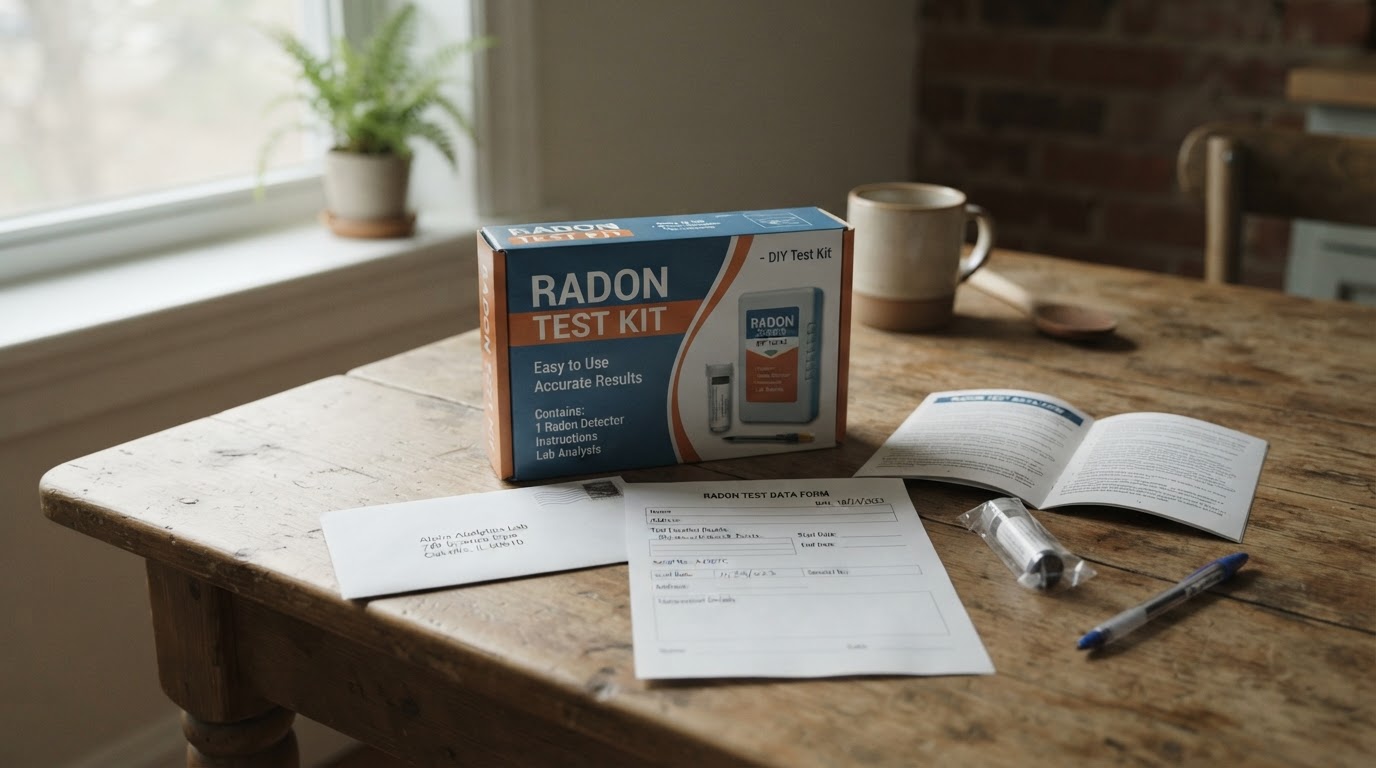
You can buy a home radon test kit at a hardware store for about 15 to 25 dollars. It usually involves placing a small charcoal canister in the lowest livable area of your home for a few days and then mailing it to a lab. This can give you a snapshot of the radon level in your home. However, I have seen homeowners get confused by the results because they tested during a season when windows were open, or they placed the kit in a drafty hallway. The test must be done under closed-house conditions, meaning windows and doors are kept closed for at least 12 hours before and during the test. Even then, a short-term test can be thrown off by weather changes or barometric pressure shifts. For a more reliable picture, I recommend a long-term test that lasts three months to a year. That gives you an average radon level and smooths out daily fluctuations. When you search for radon testing york pa, make sure you are working with a contractor who understands these details and can help you interpret the results correctly.
Why Testing Matters More Than You Think
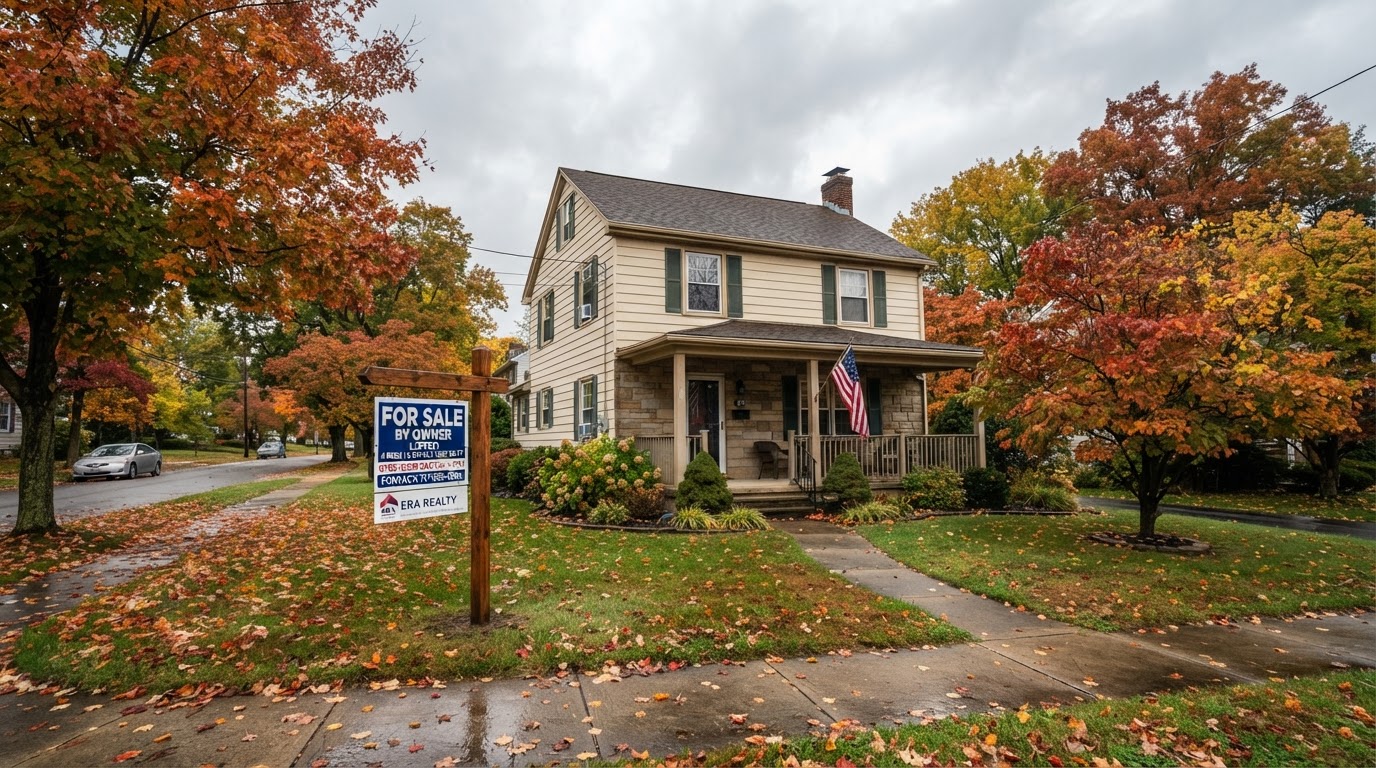
I once consulted with a family in Springettsbury Township who had just bought a house. The seller provided a radon test result from two years ago showing 3.2 pCi/L, which is below the action level. But radon levels change over time due to soil settling, foundation cracks, and even changes in how the heating system operates. The family decided to retest through a certified professional, and the result came back at 6.8 pCi/L, well above the EPA action limit. They were shocked. They had been living with elevated radon for two years without knowing it. That is the kind of story that makes me urge every York homeowner to test their home every two years, or after any major renovation that affects the foundation or ventilation. The phrase radonmitigationnearyorkpa radon testing york pa often comes up in conversations with local contractors, and for good reason: it connects homeowners to professionals who can both test and fix the problem.
Radon Mitigation: What Happens After the Test
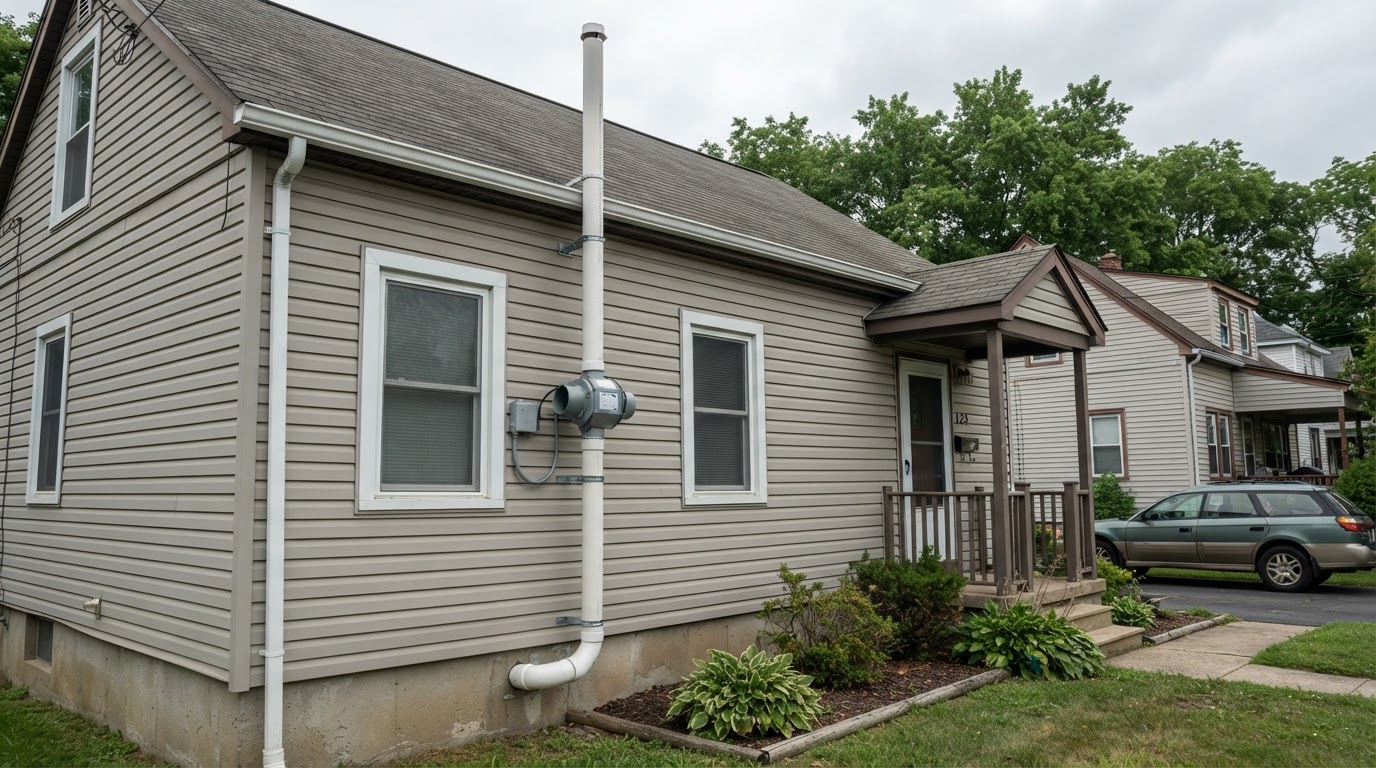
If your test shows high levels, do not panic. Radon mitigation is a well-established process that is both effective and affordable. The most common method is sub-slab depressurization, which involves installing a vent pipe through the basement floor and a fan that pulls radon from beneath the house and expels it safely outside. The cost for a typical home in York ranges from 800 to 1,500 dollars, depending on the complexity of the foundation and the type of soil. That is a small price compared to the health risks. Some homeowners try to seal cracks and openings themselves, but that rarely works as a standalone solution because radon can still seep through porous concrete. A certified contractor like those associated with York Radon Mitigation will conduct a post-mitigation test to confirm the level dropped below 4 pCi/L, often to under 2 pCi/L. That gives you real peace of mind.
How to Choose a Radon Tester in York PA
Not all testers are the same. I have seen some companies offer free tests as a sales gimmick, but then they push unnecessary mitigation work. Others use outdated equipment that gives inaccurate readings. When you look into radon testing york pa, you want a contractor who is certified by the National Radon Proficiency Program (NRPP) or the Pennsylvania Department of Environmental Protection. They should also carry liability insurance and be willing to explain their testing protocols. A good tester will walk you through the placement of the device, the closed-house conditions required, and how to interpret the lab report. They will not rush you. I have worked with teams from York Radon Mitigation who take the time to answer questions and even offer to retest at no extra cost if the initial test is questionable. That is the level of service you should expect.
Cost vs. Health: A Simple Trade-off
I understand that homeowners in York County are busy. Between work, kids, and maintaining a property, radon testing can feel like just another chore. But consider the trade-off. A short-term test costs less than a dinner out. A long-term test might be 40 dollars. Compare that to the medical costs of lung cancer, which can run into the tens of thousands, not to mention the emotional toll on a family. The radonmitigationnearyorkpa radon testing york pa phrase is not just a search term; it represents a real service that protects your family. I have seen homes where radon levels were over 20 pCi/L, and after mitigation, the levels dropped to safe ranges within a week. That is a tangible win. The mitigation itself is a one-time investment that lasts for decades if the system is maintained properly.
Common Misconceptions About Radon
One myth I hear often is that newer homes do not have radon problems. Actually, new homes can have higher radon levels because they are built tighter for energy efficiency, trapping radon inside. Another myth is that radon is only a concern in basements. While the basement is the primary entry point, radon can be drawn upward through the house by the stack effect, especially in winter. That is why testing the lowest livable area is standard practice. I also hear people say that if their neighbor tested fine, their own home is fine. Radon levels vary greatly from house to house, even on the same street. Soil permeability, foundation type, and even the direction the house faces can affect radon entry. There is no substitute for a test in your own home.
Final Thoughts on Testing
If you live in York County and have not tested your home for radon, or if it has been more than two years since your last test, now is the time. The process is simple, the cost is low, and the health benefits are enormous. Whether you do a short-term test yourself or hire a professional, the key is to take action. And when you search for radon testing york pa, you will find local experts ready to help, including the team at York Radon Mitigation. They understand the local geology and building practices, and they can guide you from testing through mitigation if needed. Do not wait for a health scare to take radon seriously. A simple test today could save your family from harm tomorrow.